SHOWCASE PORTFOLIO 2011 - NIKO VEGT
COMPETENCY DEVELOPMENT
HOME
VISION
IDENTITY
GROWTH
Competency development
FUTURE
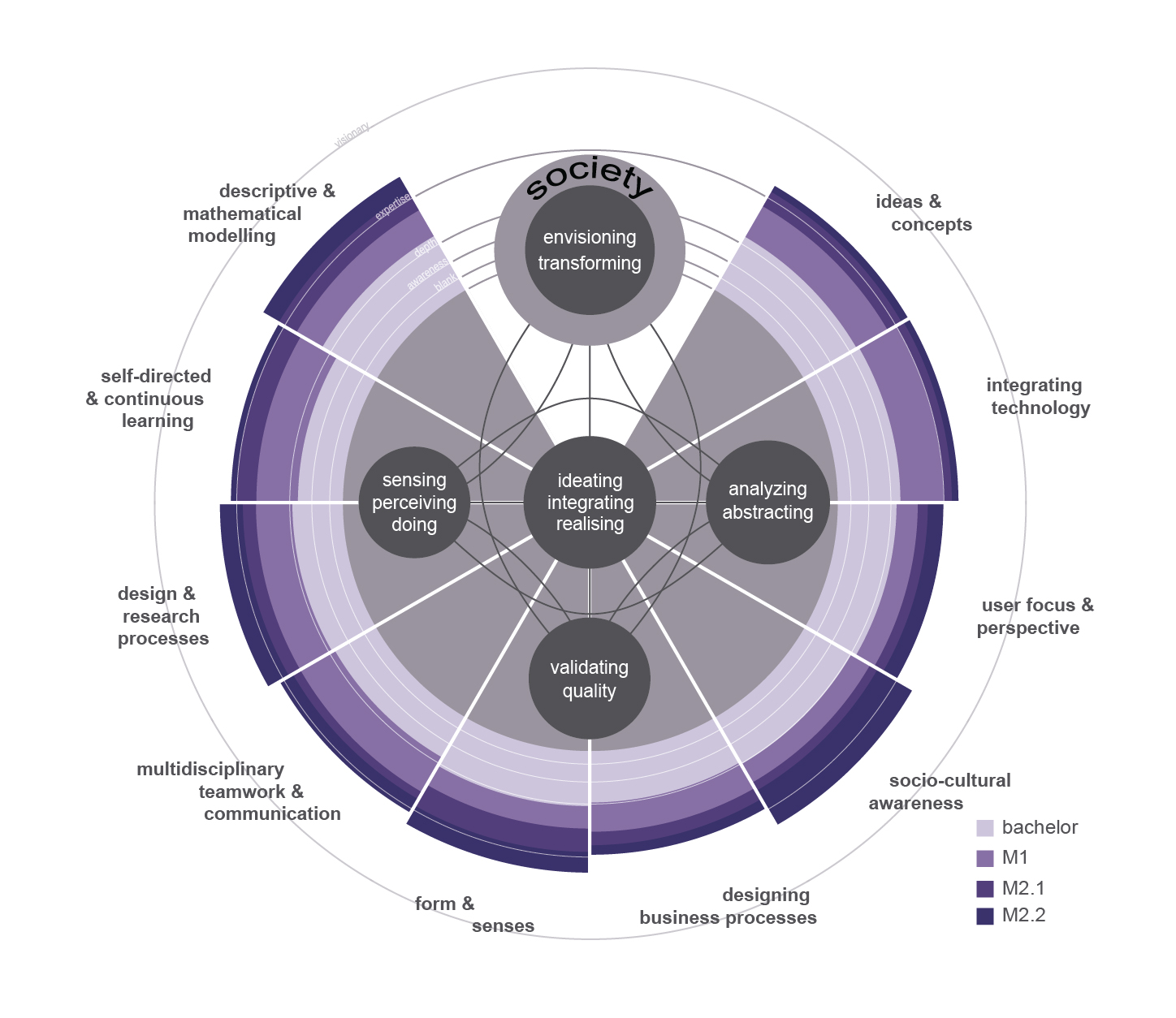
Learning goals
My learning goals for this semester were fully focused on my final master project (FMP). They originate from my vision, identity, and previous assessment.
Have impact outside the faculty
I always seek for new contexts where design (or design-thinking) can make a difference. Making an impact for people is what drives me, and making this impact outside the faculty would significantly increase my motivation. The way that I value empathy with people is related to this.
Work in a multi-disciplinary environment
To address my holistic approach I wanted the project to take place in a multi-disciplinary environment. The ambiguous multi-disciplinary quality of a design process is what I find interesting. I like to learn from other people and share my knowledge through design.
Address my interest in trend analysis
The holistic approach also originates from my interest in trend analysis. I’m curious in general, but particularly interested in discovering relations. Trends are the exploration and communication tool to address this interest.
Show my design attitude
During the Master I’ve significantly increased my design skills, so this is what I wanted to be shown through my FMP. I wanted to show that I’m a professional designer, who’s capable of delivering well detailed designs. The project had to convey my dedication to design.
Challenge my analytical skills
Because I’m well aware of- and confident about my creative skills I was mainly interested in challenging my analytical skills. To achieve this challenge I chose to address an ambitiously complex topic (‘the societal impact of new technologies’).
Improve my ‘socio-cultural awareness’
As became clear during the previous assessment I had to be focused on improving the competency of Socio-cultural Awareness. This was in terms of learning activities the least developed, so consciously performing activities that would strengthen this competency were crucial to make the project a success.
Self-Directed and Continuous Learning
Self-directed and continuous learning has always been strengthened by my independent and disciplined attitude. I’m critical towards my own work and behavior, and I reflect a lot on the activities that I do. A pitfall is my adaptation to the opinion of others. I easily take over others’ opinion without much reflection.
During the FMP I became more confident in critically assessing external work which increased my ability to learn from others. This is mainly expressed in my work at the Rathenau Institute where I was fully in control of the design process. The people there are quite definite in what they want, so it took me a while to get used to their strong opinions and set out my own course. Eventually this worked out well because I delivered designs and insights that are new and valuable for the Rathenau Institute.
Form and Senses
I could clearly improve my graphic skills during the FMP. This was not limited to the graphics themselves. I also had to take care of the physical form of the graphic. Developing the Nano World map was a good experience of thorough design work, where I made decisions on the smallest details. This ranged from typefaces and icon design to folding lines and press color. The end-result clearly shows the attention to detail and represents the quality that I endeavor as a professional designer.

Picture 1: The physical Nano World map
This was less the case for the graphics of the Making Perfect Life presentation template. The graphics do have the quality that I intended, but the presentation as a whole was less detailed. This had to do with the fact that it was a coproduction concerning the content of the presentation. Balancing between the wishes of the presenter and my wishes as a designer was challenging. The presenter wants to stay in control of the content (text and images), so it had to contain dynamic elements. Whereas I would have ideally designed all elements and make them static to guarantee a high visual quality.
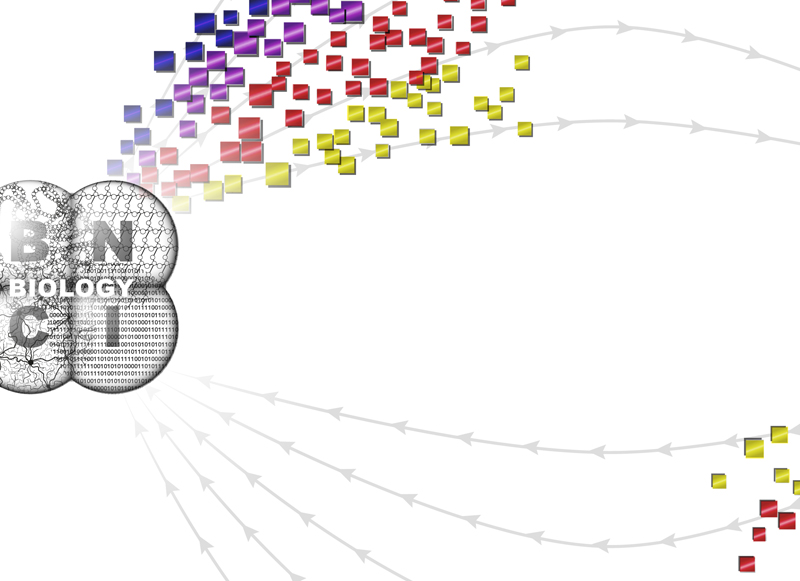
Picture 2: Detail of the Making Perfect Life graphic (link to presentation)
Descriptive and Mathematical Modeling
This competency relates to the way I deal with complexity in the design process. I use descriptive models to understand complex topics. In communicating complex topics to people I always try to maintain its richness. This is why design is so important to me, because modeling something in a textual way always reduces this rich quality. Nonetheless does descriptive and mathematical modeling always require a certain amount of simplification.
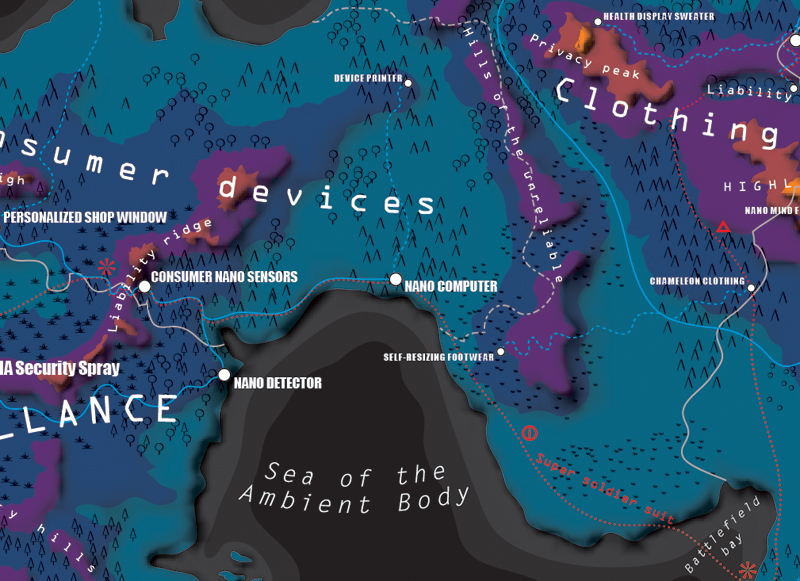
Picture 3: Nano World map detail (link to online version)
In the FMP drawing schemes of properties and relations were instrumental to understand technology assessment and design for debate. The Nano World map and Making Perfect Life (MPL) graphic are in fact descriptive models of the developments and trends in technology. To make the MPL graphic interactive this descriptive model was translated into a mathematical model. The on-screen simulation of the vacuum cleaner cat was directly designed through mathematical modeling.
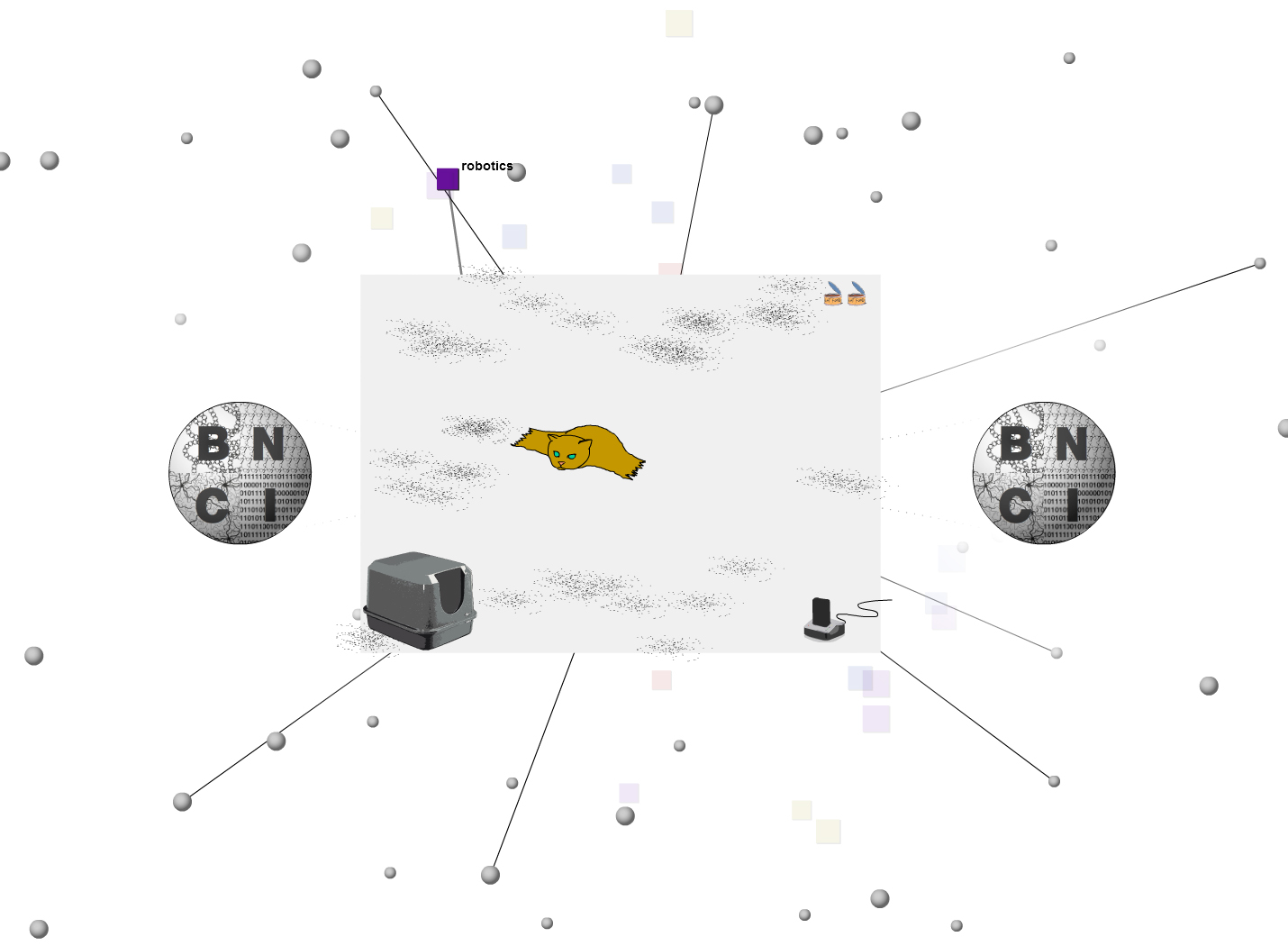
Picture 4: Interactive version of MPL graphic (link to interactive version)
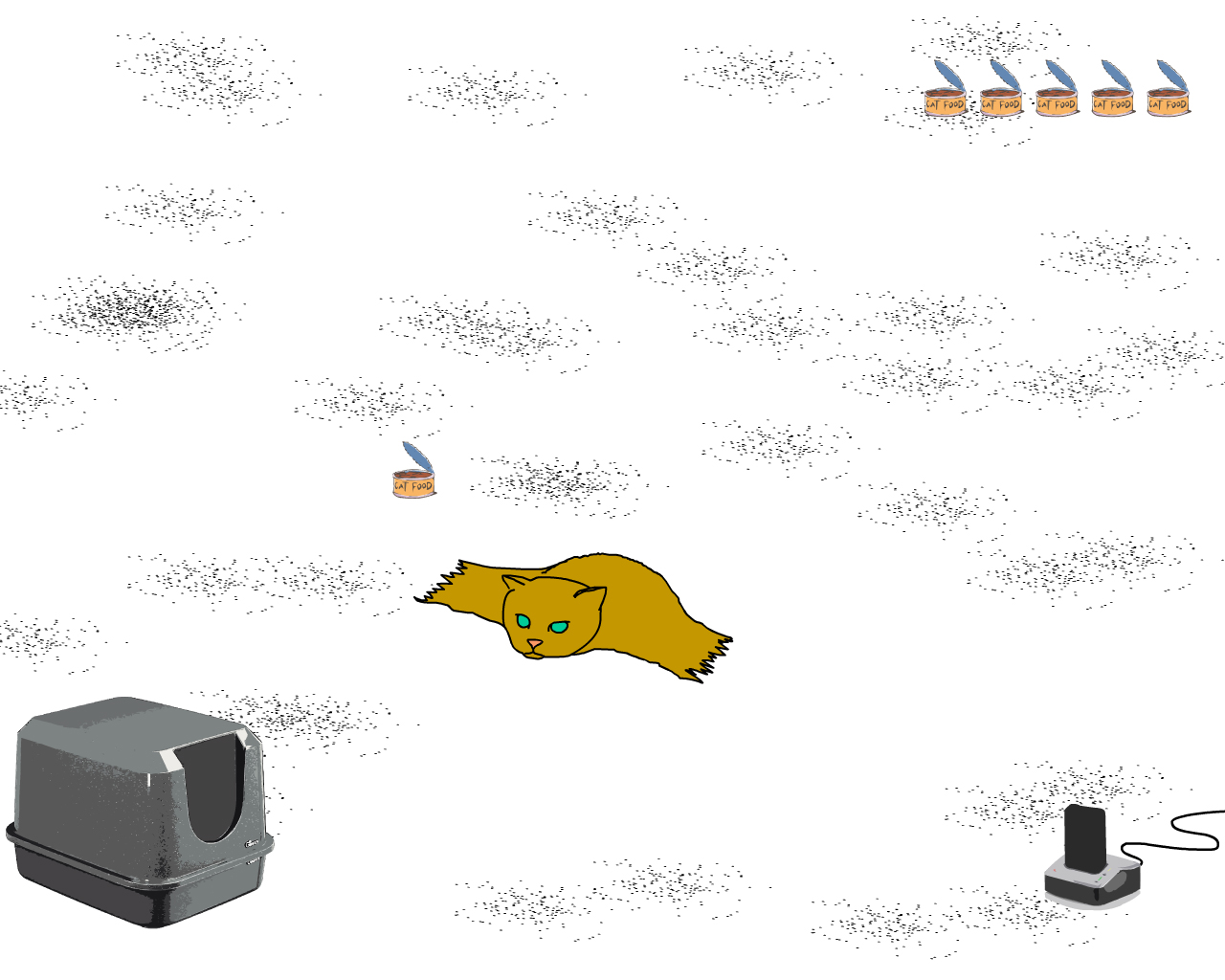
Picture 5: Interactive animation simulating the vacuum cleaner cat (link)
Modeling complex systems is a rather intuitive process to me. Descriptive models are mainly useful as an internal communication tool whereas mathematical models are meant for the simulation and external communication of a system or application. I found that this competency is important within multi-disciplinary contexts. I could easily communicate on an in-depth intellectual level with Rathenau Institute employees through my graphics.
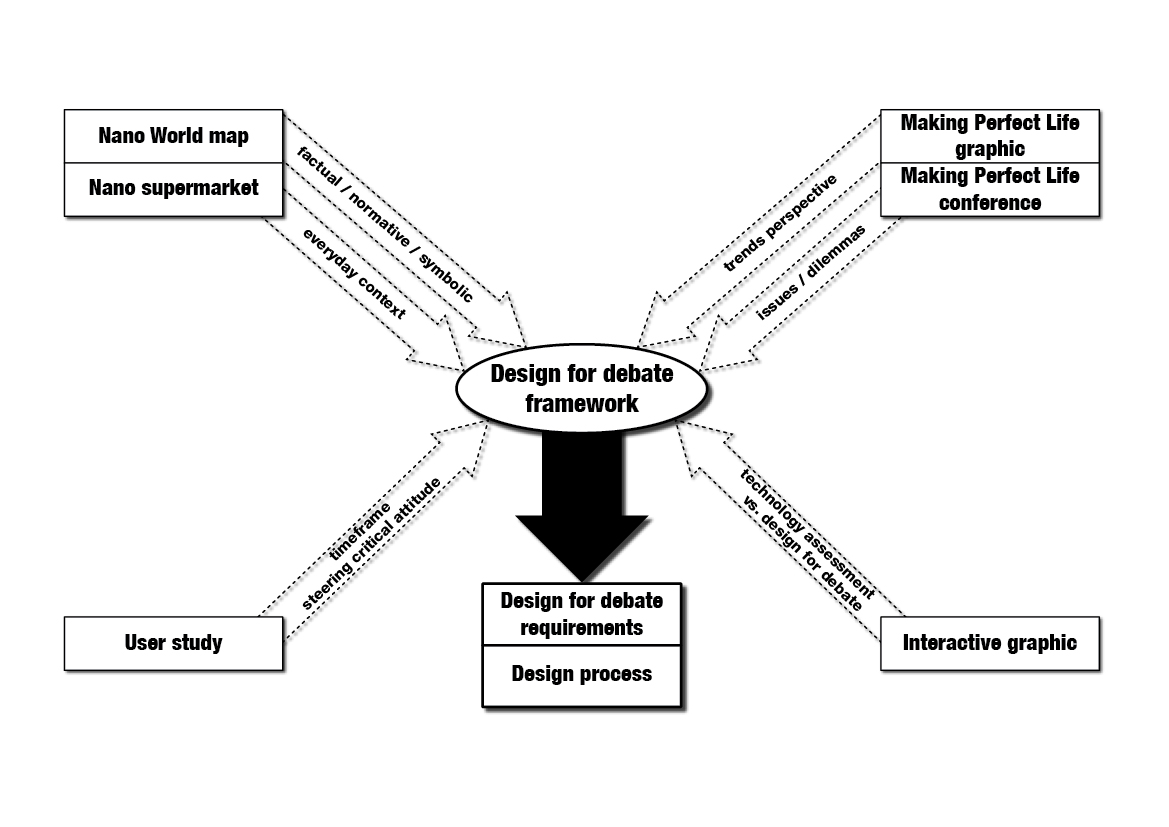
Picture 6: Scheme of design activities and their input for the framework
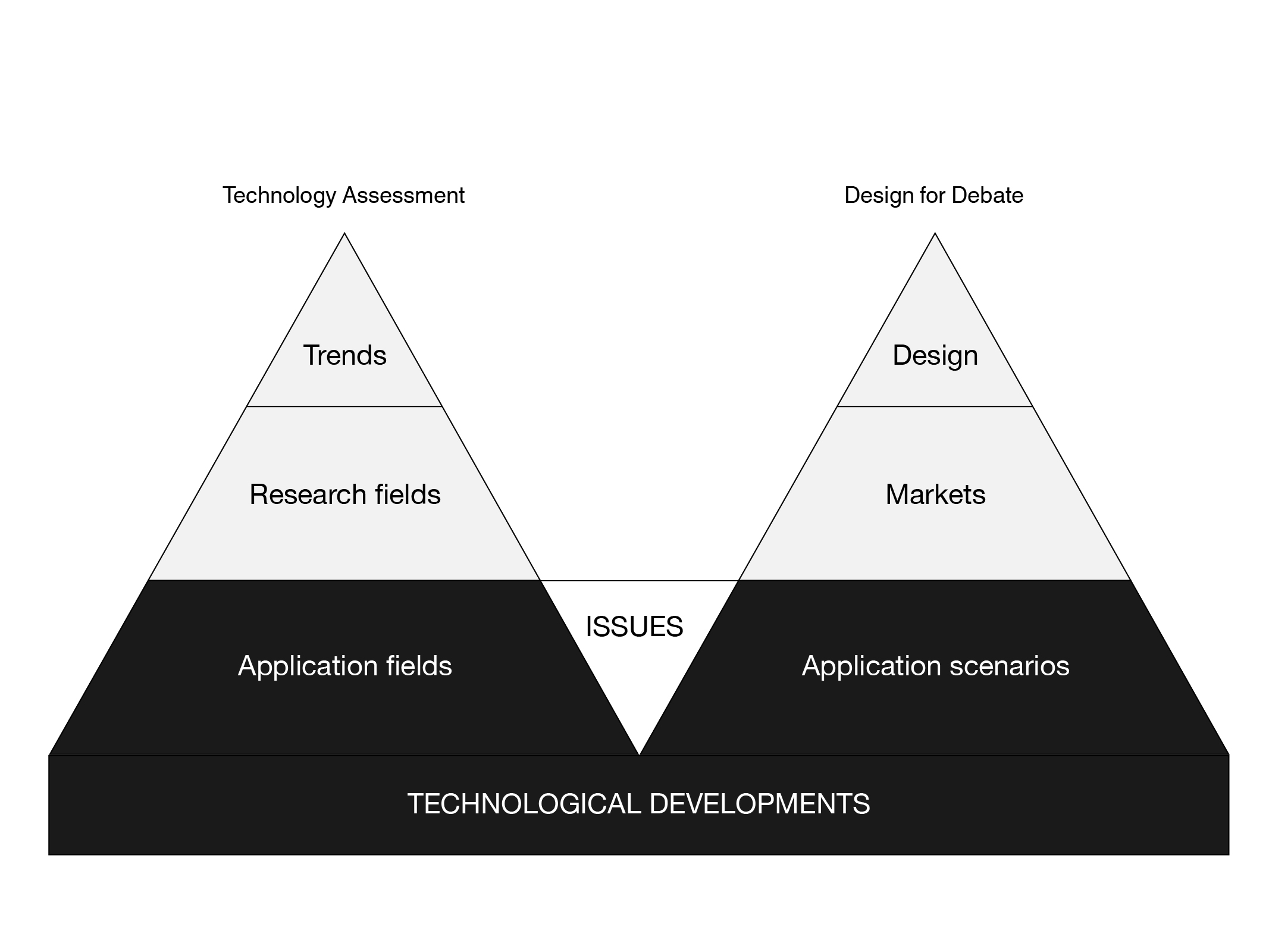
Picture 7: A graphic to understand and communicate the interrelations between technology assessment and design for debate
Integrating Technology
Within my FMP not much technology was integrated physically. Only the interactive graphics of the ‘new technology wave’ and the ‘vacuum cleaner cat’ contained software to prototype the interactivity and behavior. On an abstract level technology was definitely integrated. A literature study was done on nanotechnology and the Making Perfect Life report also provided insight on many new technologies. So technology was integrated on a conceptual level.
I used design to create a critical attitude towards the integration of technology in our daily lives. This attitude was not only communicated to the public, but my own attitude changed as well. I learned that I should be more careful with the integration of technology in people’s lives. I can reflect this new attitude on all previous projects that I did (described in the paragraph about Socio-cultural awareness).
Designing Business Processes
The FMP involved marketing design as a communication and research tool at the Rathenau Institute. This started with contacting them, proposing an implementation plan, and setting up a contract. There was no business plan involved, but during the process I learned about the integration of design solutions in an environment that is not familiar with design. It became clear to me that the value of design could only be communicated through high-fidelity prototypes. The people at the Rathenau Institute became enthusiastic about every solution that I came up with, as soon as it was well detailed and almost finished.
Design and Research Processes
My FMP consisted of two full design projects, was overall more a research project, but concluded with a design solution. Doing a generalization cycle and translating the results analysis and generalization into a design was new to me. I had never done another short design cycle after drawing conclusions from a previous full design process. Doing more than one full design process was possible because I didn’t challenge my design skills that much. This provided me good experience with pushing my analytical skills to the limit. I integrated the things that I learned and experienced during the M11 design project and the M12 research project.
From the design project I learned to perform a more iterative design process by pushing the decision-making. This proved to be a good way to cope with uncertainty for me. It made the single decisions less precise, but significantly improved the overall result of a design process where vision, analysis, observation, and validation were much better integrated in the design.
From the research project I learned to properly validate and analyze a design. Quicker decision-making was crucial in this process to keep enough time for validation and analysis. It also showed me that my design skills (or ability to synthesize an abstract topic) are well developed, and that the main skill to develop was the generalization process (which involved my ability to analyze).
Initially I intended to do a clear design project for my graduation. But the opportunities that I created (and received) through the Nano supermarket and the Rathenau Institute changed the course of the project towards a research process. The fact that I was able to shift from a design to research approach is positive, but I lacked conscious control over this dynamic process. The shift took place after the Nano supermarket and Making Perfect Life conference, where I decided to focus on a more analytical impact as the project’s end result (in the form of a framework). It was the green light presentation that made me see the overall process as a research process, and this insight was crucial to successfully finish the project.

Picture 8 : Initial project planning
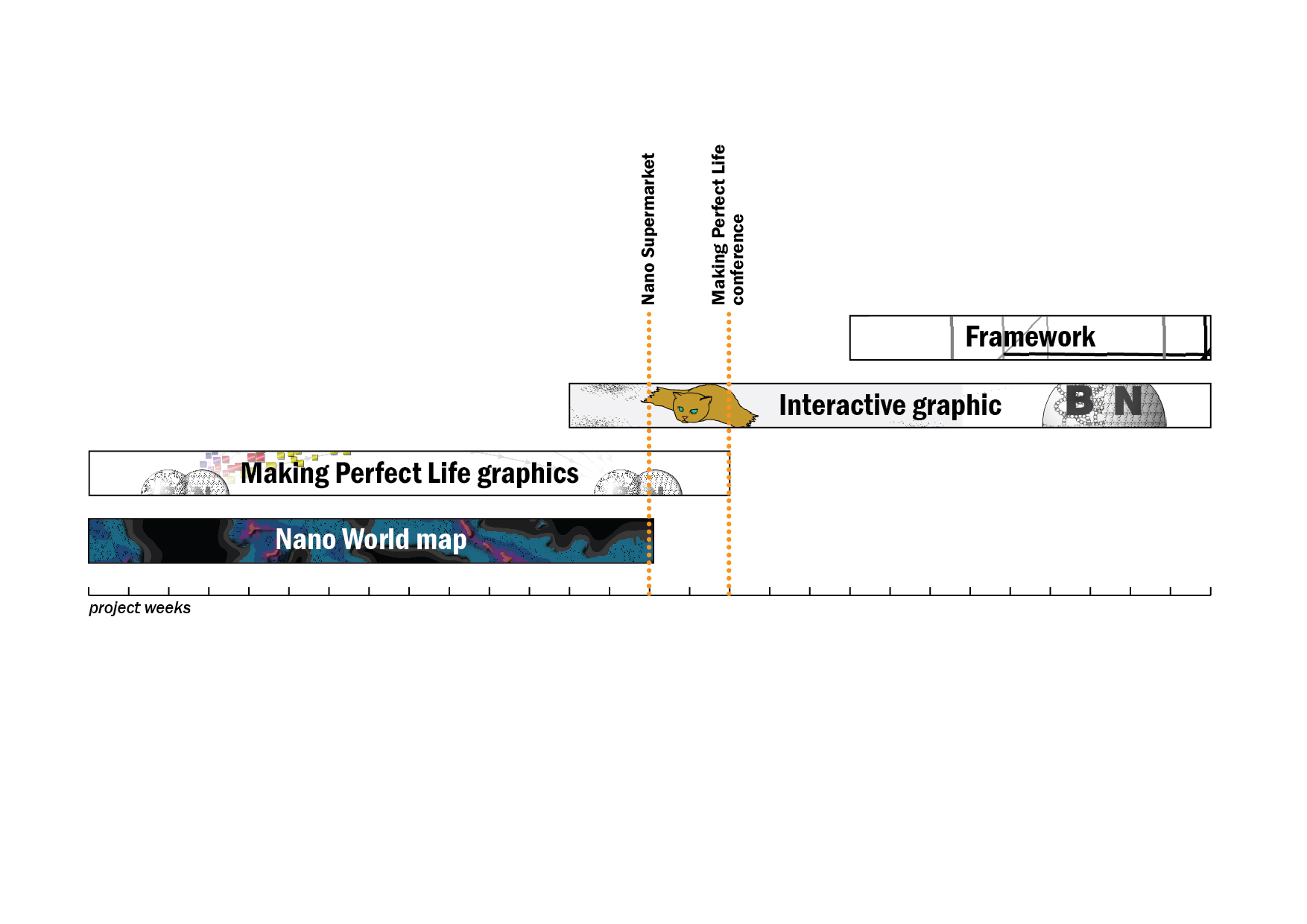
Picture 9 : Eventual project schedule
This was a valuable experience because I’m sure that I’ll come across such radical shifts in a project again. I saw that I have enough skills to overcome them, but being more conscious and reflective will help in dealing with these extremely dynamic processes.
Ideas and Concepts
The main learning activity within this competency is the design for debate workshop that I gave for ID students and Rathenau Institute employees. I didn’t perform a standardized brainstorm procedure, but adapted a generative method into a process that was useful for the project. It was a good experience to not just perform a method from the book, but critically assess the method and be creative with the implementation. This way of working improves the efficiency of my design process and provides opportunities for innovation within the methodological perspective of this competency.
User Focus and Perspective
The FMP was complicated in terms of user focus. The different design cycles and the project as a whole addressed different users. Politicians were the core target group in the project, but they were addressed through designers or the Rathenau Institute. The Making Perfect Life presentation was made for the public at a conference and the Nano World map was designed for the public of the Nano supermarket. So it was an extensive task to clearly communicate for whom this project was intended.
Due to the shift from design to research process (described in ‘Design and Research Processes’) this became underexposed at the green light presentation. The outcome of a research process is generally interesting for people within the design or another related field, whereas a design process is clearly intended for a certain user or target group. During my FMP the focus was more on the Rathenau Institute employees rather than the politicians that they are working for. This was due to the fact that I wanted to ‘sell’ design (and design thinking) to the Rathenau Institute as an internal and external communication tool.
Social Cultural Awareness
The competency that I mainly developed was ‘Social Cultural Awareness’. To prepare myself for the project I started already in the summer holiday with reading related literature and visiting the Rathenau Institute.
I learned to perceive technological developments from a socio-technological perspective, mainly through ‘technology assessment’ methods. This involved critical reflection on current technologies and ways to develop projections of future developments. Methods to perceive trends for design were familiar to me, but structurally investigating technology trends was new.
The newly developed skills, that enabled me to generate and communicate socio-cultural awareness, are applicable on every previous work that I did. The project of the DNA world for example can be clearly related to the trend of ‘biology becoming technology’ and addressed (but not concretely expressed) the concerns that are related to this trend like: reductionism, democratization, privacy, and commercialization. My research work on using robotics to teach social skills to autistic children goes the other way around (‘technology becoming biology’). The work in itself was rather harmless, but from a trend point of view the question is if we want to give away our control on teaching. For autistic children the use of robots is defendable because they respond worse on people, but will the use of robots end here? I don’t think so.
I found that I, as a designer, have to think about the impact of my work on society from a micro-, meso-, and macro-perspective. So what is the direct impact of my work? How does this relate to current fears and desires? And how can it change or initiate future developments? To be able to reflect on these levels I do not only have the role of a designer, but also the role of a politician and an expert. But the expression of these reflections is done though design.
Teamwork and Communication
I could significantly improve my academic writing skills due to the internship at the Rathenau Institute. They are experts in intellectual research and therefore skilled in reading and writing. The development of my Master thesis provided good learning experience about proper writing. My coach at the Rathenau Institute gave me much feedback on my writing. Being critical about the usage of specific terms was one of the most important points. I learned to critically read my own work and assess which terms are properly introduced and which are not. Making sure that every term that I use is well introduced makes a big contribution to the readability of a text. Other properties I have to take care of are: bridges between paragraphs, adding nuance to bold statements, and clearly address the intended public.